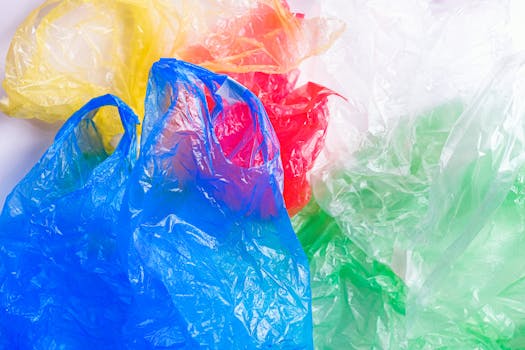
Let’s be honest, the sheer volume of plastic in our daily lives can be pretty overwhelming. From the moment we wake up to when we go to bed, we’re surrounded by it – packaging, containers, clothing fibers, you name it. It’s easy to feel like giving up on the idea of a truly plastic-free existence before we even start. But what if I told you it’s not about achieving perfection overnight, but rather about making conscious, progressive choices? Embracing a lifestyle with significantly less plastic is more achievable than you might think, and the ripple effect it can have is immense. So, let’s dive into how to live a plastic-free lifestyle in a way that’s manageable, meaningful, and frankly, a little bit empowering.
Why Bother With Less Plastic Anyway?
Before we get into the nitty-gritty of how to live a plastic-free lifestyle, it’s worth a quick reminder of why this journey matters so much. We’ve all seen those heartbreaking images of marine life tangled in plastic, or beaches littered with single-use items. But the impact goes deeper. Plastic production relies heavily on fossil fuels, contributing to climate change. And when plastic breaks down, it doesn’t disappear; it becomes microplastics, tiny particles that are now found everywhere – in our water, our food, and even the air we breathe. Reducing our plastic footprint is a tangible way to protect ecosystems, conserve resources, and safeguard our own health. It’s about choosing a healthier planet for ourselves and for future generations.
Tackling the Kitchen: Your Plastic-Free Hub
The kitchen is often ground zero for plastic use, but it’s also where you can make some of the most impactful changes. Think about it: food packaging, cling film, plastic storage containers, disposable cutlery… the list goes on.
#### Swapping Out Single-Use Kitchen Staples
One of the simplest ways to start is by identifying those disposable items you use most frequently.
For Cling Film: Beeswax wraps are a fantastic alternative. They’re reusable, compostable, and mold beautifully around food. Alternatively, good old-fashioned glass or stainless steel containers with lids are your best friend.
For Plastic Bags: Invest in reusable produce bags for your fruits and veggies. For grocery shopping, sturdy canvas or recycled material tote bags are essential. Keep a few folded up in your car or purse so you’re never caught without them.
For Food Storage: Ditch the plastic Tupperware and opt for glass containers. They don’t stain, they don’t leach chemicals, and they look so much nicer in your pantry! Mason jars are also incredibly versatile for storing leftovers, dry goods, or even making your own yogurt.
For Drinks: Reusable water bottles and coffee cups are no-brainers. Seriously, this is probably the easiest win. Keep one at your desk, in your car, and by your front door.
#### Rethinking Your Groceries
The way you shop can drastically reduce the amount of plastic that enters your home.
Buy in Bulk: Many stores offer bulk sections for nuts, grains, dried fruits, and spices. Bring your own reusable containers or bags to fill up, avoiding all that pre-packaged plastic.
Choose Loose Produce: Whenever possible, select fruits and vegetables that aren’t wrapped in plastic.
Seek Out Local: Farmers’ markets are often a goldmine for plastic-free options. You’ll find produce directly from the growers, often without excessive packaging. Plus, you’re supporting your local economy!
The Bathroom: A Surprising Plastic Hotspot
This is another area where plastic can sneak in undetected. Toothbrushes, shampoo bottles, razors, cotton swabs – it all adds up.
#### Small Changes, Big Impact for Your Bathroom Routine
Oral Care: Switch to a bamboo toothbrush instead of a plastic one. For toothpaste, look for brands that offer toothpaste tablets or toothpaste in glass jars or metal tubes.
Shower Time: Shampoo and conditioner bars are revolutionary! They last ages, are package-free, and often contain amazing natural ingredients. You can also find bar soaps for body washing.
Shaving: Safety razors, while an initial investment, are a fantastic plastic-free alternative to disposable plastic razors. They last a lifetime, and you only need to replace the metal blades, which are recyclable.
Cotton Swabs: Opt for reusable cotton swabs or those made from paper or bamboo.
Beyond the Home: Navigating the World with Less Plastic
Living a plastic-free lifestyle extends beyond your four walls. It means being mindful when you’re out and about.
#### Your “On-the-Go” Essentials
The Reusable Kit: Keep a small kit with you that includes a reusable water bottle, a travel mug for hot drinks, a set of reusable cutlery (bamboo or metal are great), and a cloth napkin. This way, you’re prepared for spontaneous coffee runs or lunches out.
Saying No to Extras: Politely decline plastic straws, unnecessary plastic cutlery, and extra napkins if you don’t need them. It’s a small act, but it sends a message.
Shopping Smarter: When buying clothes, try to opt for natural fibers like cotton, linen, or wool. Synthetic fabrics, like polyester and nylon, shed microplastics when washed.
#### Navigating Social Situations and Takeaways
This can be a bit trickier, but it’s definitely manageable.
Dining Out: When ordering food to go, ask if they can pack it in your own containers. Some restaurants are happy to oblige! If not, don’t be afraid to ask them to skip the plastic cutlery and napkins if you’re going straight home.
Parties and Events: If you’re hosting, use reusable dishes and cutlery. If you’re attending, consider bringing a reusable container for leftovers.
Embracing Imperfection and Continuous Improvement
It’s crucial to remember that how to live a plastic-free lifestyle isn’t about becoming a zero-waste guru overnight. Life is messy, and perfection is an illusion. There will be times when you forget your reusable bag, or when a product is unavoidable. That’s okay. The goal is progress, not perfection.
One thing I’ve often found helpful is to focus on one or two areas at a time. Maybe start with your kitchen, then move to the bathroom, and so on. Celebrate your successes, and don’t beat yourself up over the slip-ups. Every small choice you make contributes to a larger movement. It’s about building sustainable habits that fit your life.
The Power of Your Choices: Wrapping Up
Transitioning to a life with less plastic is a journey of conscious choices, and the implications are far-reaching. By reducing our reliance on single-use items, we directly lessen pollution, conserve precious resources, and contribute to a healthier planet. We’ve explored how to tackle plastic in the kitchen, the bathroom, and even when we’re out and about, showing that how to live a plastic-free lifestyle is about practical swaps and mindful habits. It’s about choosing reusable over disposable, and opting for durable over fleeting.
Ultimately, this isn’t just about avoiding plastic; it’s about rediscovering a connection with our consumption and understanding the true cost of convenience. So, my challenge to you is this: what’s one small, plastic-reducing change you can commit to this week?